The Avalanche We No Longer See: Does the movie Fjord Pick a Side?
As a Filipino-Norwegian living in Norway, I watched Fjord feeling uncomfortably familiar with both sides and I spent a large portion of the movie wanting to rip my hair out – our punch somebody! The way the film portrays belonging, cultural assumptions, and xenophobic judgement disguised as kindness are not abstract to me, so the frustration I felt was overwhelming. But what stood out the most to me was not the obvious dispute they put front and center, but the much more subtle background of it all – the kind of harm we notice immediately and condemn and the type we overlook because it’s either become normal or in many cases invisible.
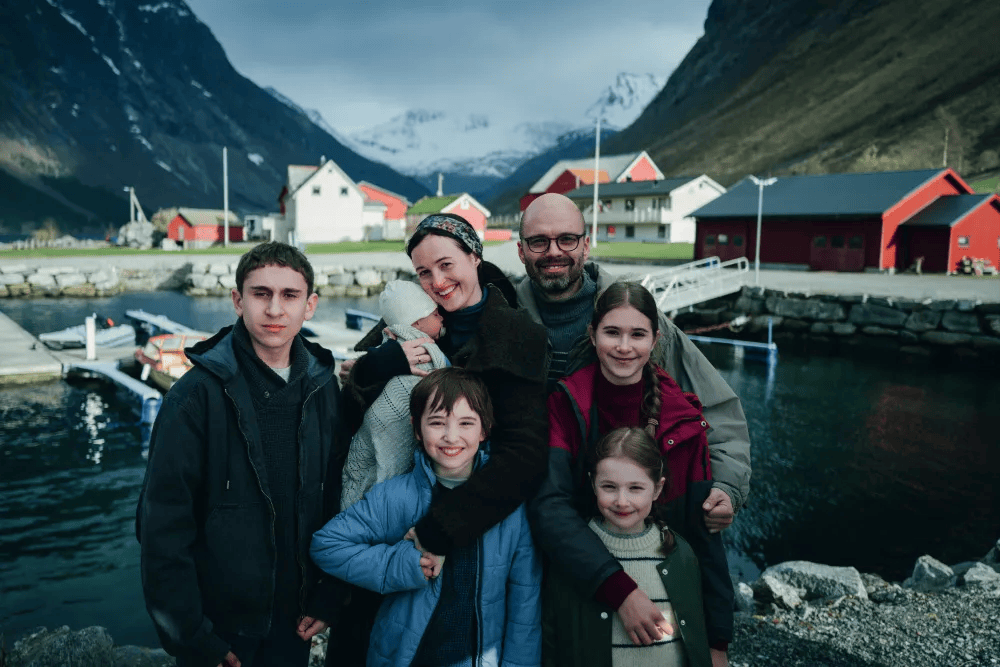
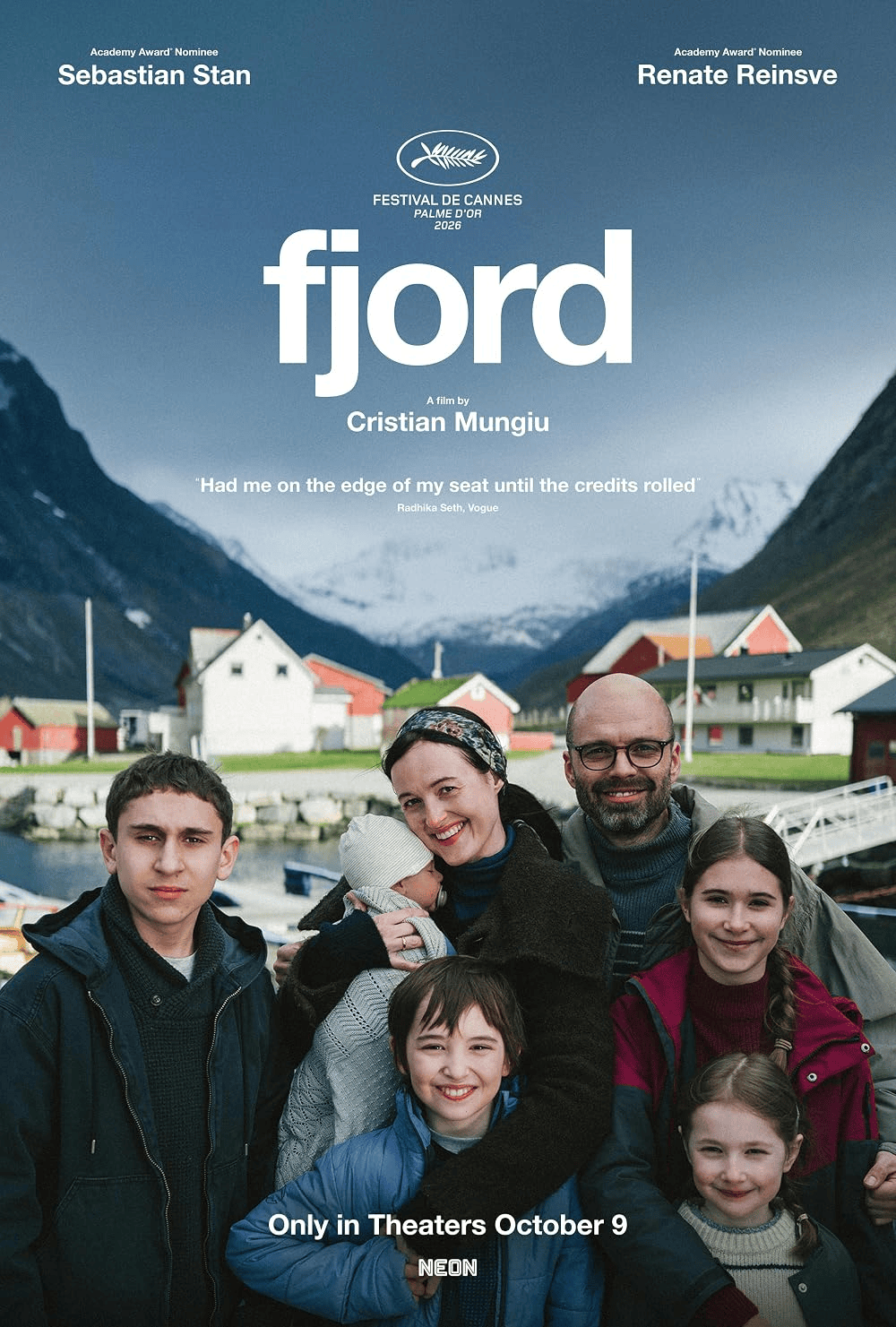
Fjord follows a mixed Romanian-Norwegian family moving from Romania to a small Norwegian fjord community. The community accepts and invites them in, but also keeps their eyes peeled with judgement which quickly lands the family in conflict with child protection services. This invites debate about immigration, integration, religion, child welfare and so much more. But while discussing all of it, what I kept coming back to that I couldn’t overlook was the deeper examination of who gets to define care, what type of suffering is recognized and what type of violence societies accept as normal.
Hiding in plain sight
Most films might invite the viewer to look beyond the story to find the themes, but Fjord does the opposite. The conflicts are aggressive and impossible to miss. The social commentary is literally screaming mobs on the screen and the religious paraphernalia is constantly present and so repetitive that it almost becomes a distraction from the more subtle whispers of the rest of it.
One of these things hiding in plain sight is the Norwegian flag. It appears everywhere, even at night. While the flag can represent patriotism and belonging, staying up everyday and overnight can represent this on overdrive. Or maybe even no longer noticing that they are violating their own rules.
The film doesn’t offer any answer, but it makes sure there’s a flag present always. Most noticeably during the scene where child protective services have come to take the children. All the women in the room are norwegian and the flag flutters in the wind with varying intensity mirroring the scene.
Living Beneath the Avalanche
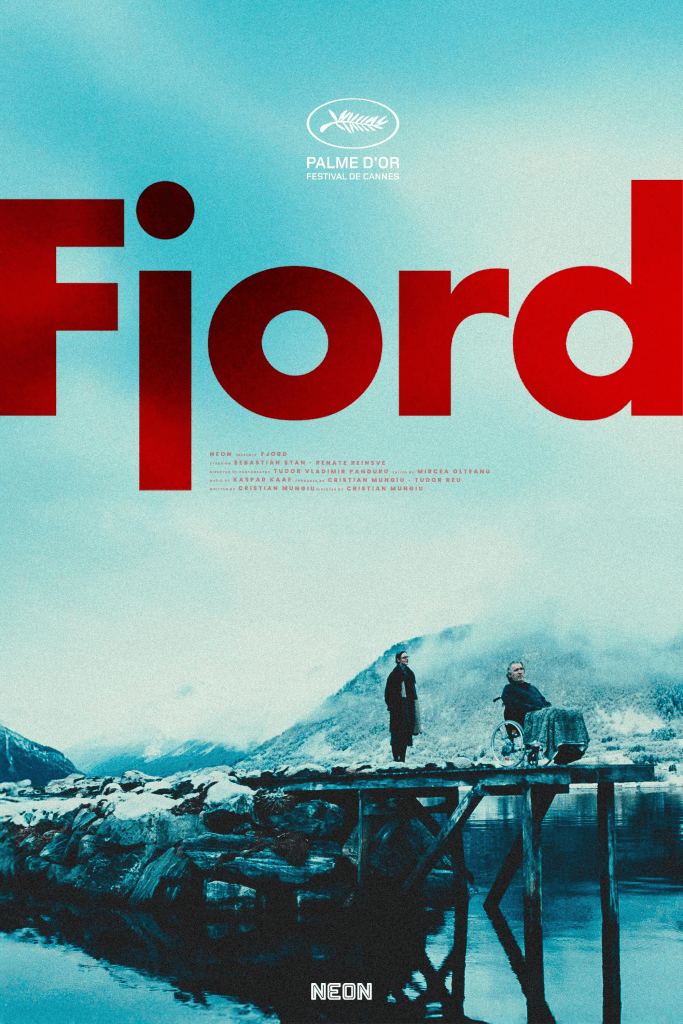
The avalanches the small town faces might be the film’s central metaphor. It’s mentioned that the school is avalanche proof, so there’s no need to worry. And the town barely even notices the roaring snow hurdling towards them at any given time. We know they are terrifying and dangerous, but nobody seems even slightly alarmed when it’s coming straight at them.
This dynamic is mostly reflected by the family next door. Their child is self harming, but it’s hardly acknowledged. An aging father is stuck in a wheelchair and loneliness, but instead of addressing his depression, he’s sent away to live at a home. The family isn’t communicating, they aren’t in touch with each other and yet the father who is also the school principal see their culturally different neighbors as “difficult to get to know”. His swedish wife might be the closes thing the movie has to a moral center. While her husband wants distance, her daughter wants action, she’s caught in the middle. She’s uncertain and that matters because the greatest harm often comes from the people who are convinced that they’re right without room for flexibility.
The contrast between these two families feels deliberate. And while the film doesn’t excuse physical violence, it points to society being so quick to respond to visible harm while completely ignoring invisible suffering.
Misplaced kindness
The most infuriating point in Fjord is that harm often arrives wearing the face of compassion. Most of the people in the film believe they are helping and that their intentions are good. From the gym teacher, to child protective services to the romanian press and the christian mobs yelling satan outside the courts. The concern in genuine on all sides which is what makes the situation so complicated.
This theme reminded me of a real debate in Norway: the end of the au pair program. The decision was motivated by concerns about exploitation and unfair pay. For the au pairs it was an opportunity to get out of poverty, learn a language, and support families back home. If you agree or not is irrelevant, what is fascinating is the tension this reveals. Because while it may be motivated by kindness, it simultaneously becomes detrimental to the very people they are meaning to help.
That same tension runs throughout Fjord and it puts the good intentions under a microscope with every character. If you look beyond the main conflict, you’ll see every character experiencing some form of it, with different outcomes. Also showing that there’s no conclusion or right answer.
Christianity’s Double Face
Norway is a secular country, but Christianity still lingers in the culture and some laws. Stores are closed on Sundays, we go to church during the holidays, in schools they teach Christianity, Religion, Philosophies of life and Ethics. So naturally religious imagery runs through the film, but it’s never painted as either hero or villain. It’s up for interpretation and on how it is used. Much like the avalanche, we’re so used to it we hardly notice that it’s there.
The Romanian-Norwegian family is very devout, they pray, wear crosses and sing hymns. Changing the way Christianity looks to the community. May our devout, they just don’t speak about it. The Swedish-Norwegian family does not condone evangelizing when the neighbor daughter plays a christian hymn. But come the holidays they sing their religious holiday songs with their whole chest. Both from Christianity, but only one of them is considered accepted while the other is frowned upon. There’s a double standard there. Christianity says being gay is a sin. The two eldest girls in both these families hint at being gay, but it’s not said out loud. Both families turn a blind eye to their daughters possibly being gay.
The film’s final images might be one of the film’s most symbolic moments and hints at how we can influence each other. Whatever the film’s intended connection is between the two girls, it stands in contrast to the adults around them.
Conclusion: The Film Does Pick a Side
In the end, I think Fjord does pick a side, but it’s not one of the hundreds of things you can pick apart in the movie. It doesn’t side with the Romanians or the Norwegians, religion or secularism, tradition or modernity.
By using many, MANY different elements, It sides against certainty.
It refuses easy answers by making it impossibly complicated. The families we get to know are complicated and they represent more than one side. We have to question everything we see and we can’t take anything for granted.
There’s a small scene where Mihai steps into the room where Renate is ironing, without saying a word, he just stands there and she notices him and comes over to tie his tie. A mood change so slight you barely notice it, she says “we don’t have time for that” – we assume she means sex, but not a word was spoken from Mihai. So much to unpack and debate.
But I think the answer lies in the things we notice and the things we don’t. The film’s message isn’t the culture conflict, but the moral blindness. It’s like a litmus test – what do you notice when you watch this movie? What sticks out to you?
The film’s message isn’t the culture conflict, it’s the moral blindness. The things we notice feel important because they demand our attention. The things we don’t notice are often the things we’ve accepted as normal. And perhaps that’s Fjord‘s real challenge to its audience: not to examine the people on screen, but to identify the avalanches we’ve learned to live beneath ourselves.