
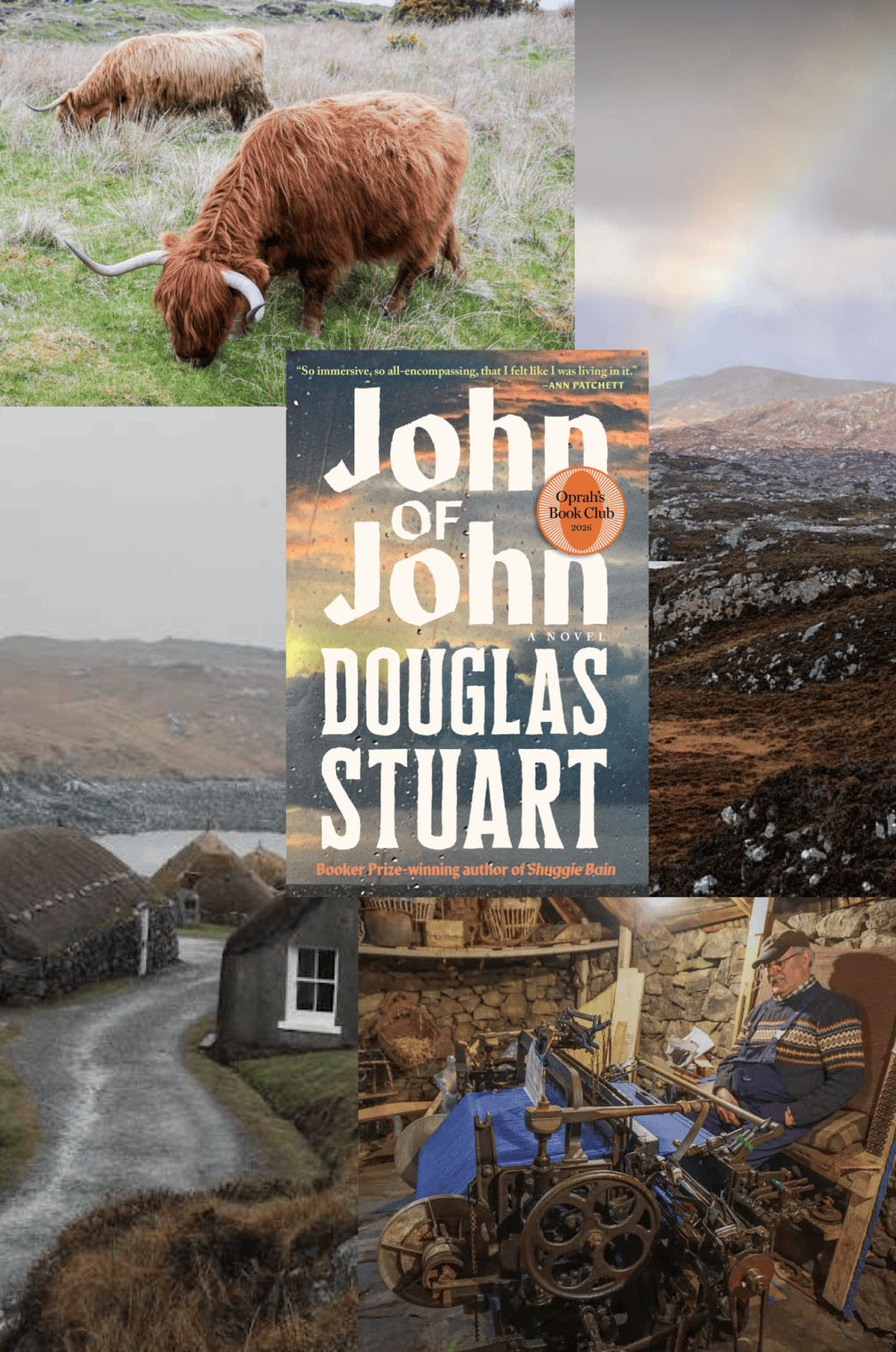
“How can you tell a man that hates himself that his son is made in his image?”
Cal returns home from art school to the Isle of Harris, where his father is caring for his aging mother-in-law after his wife has left him. Lured back under somewhat false pretenses, Cal returns to a cold and uneasy atmosphere, and it doesn’t take long for tensions to heat things up.
“The idea that you were kinder to your kin was untrue, because his father said things to him and treated him in ways that he would never dream of with any other human.”
Everything in this novel is rooted in shame. Shame shaped by a deeply Catholic society and the realities of life in a small community where everyone knows everyone else’s business. Shame drives the characters’ actions, their relationships, and their inability to live an honest life – which creates more shame.
The book is beautifully written, but the central focus is the repression experienced by both father and son as queer men (and some incestuous scenes that feel like rage bait).
While I understand why this theme is important, I personally prefer it when queerness is one aspect of a character rather than the primary subject of the story. Queer literature has gained enough space and visibility that I would love to see more stories where queer characters exist within a wider narrative.
The aspect I found most interesting was the discussion of weaving regulations on Harris. The rules surrounding production make it difficult for corporations and mass manufacturing to gain a foothold. Each weaver must own and operate their own loom, preventing people from sharing equipment to increase output. As a result, even a father and son working together on a single loom would be illegal. I found this fascinating, but it occupies only a single passage. (You would think their livelihood occupies as much of their lives as just being queer?)
After all, interesting stories happen to queer people too. Sometimes it feels as though placing all the emphasis on queerness risks reducing a character to that single facet of their identity.
John is not simply a closeted gay man; he is also deeply religious, and that tension adds an interesting layer to his character. The farm and family business offer further complexity. Yet by the end of the novel, it feels as though everything else serves the central story of repression and sexuality. Personally, I wished there had been more focus on the farm, the weaving industry, and the everyday lives of people in this remote community: the fishermen, the pubs, the restaurants and the church.
I’ve read 2 of the booker longslist books – current ranking:
1. The things we never say – Elizabeth Strout
2. John of John – Douglas Stuart
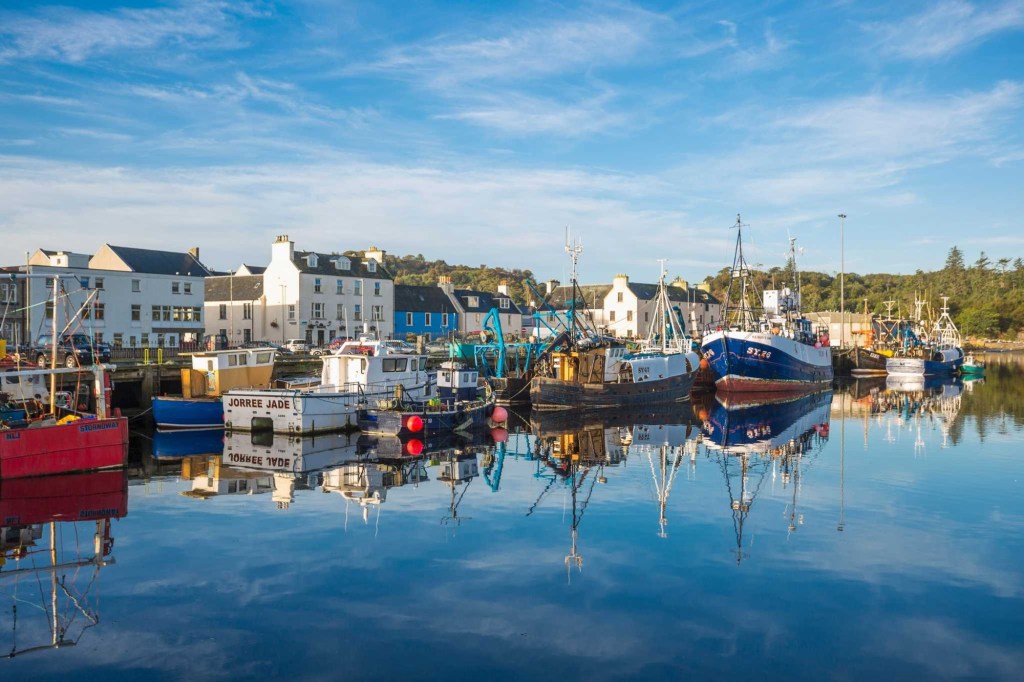
That being said, I thought the setting «Isle of Harris» was a stereotypical gray island (what we all think of when we think Scotland right?)
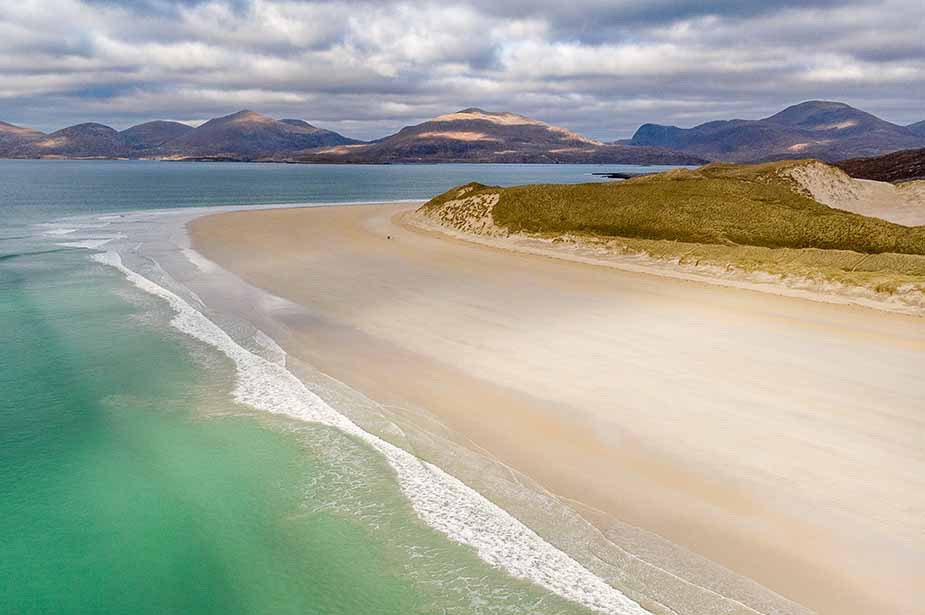
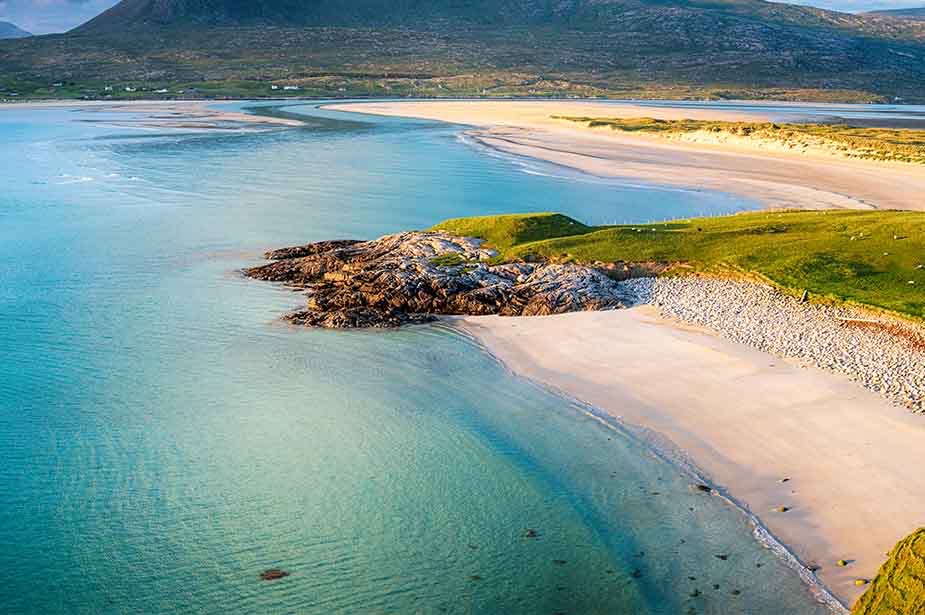
But after a quick google seach, the Isle of Harris looks like absolute paradise!

I know this book and this author is loved by many! So this might just be outside my personal taste, I know I am an outlier here. What do you think?

