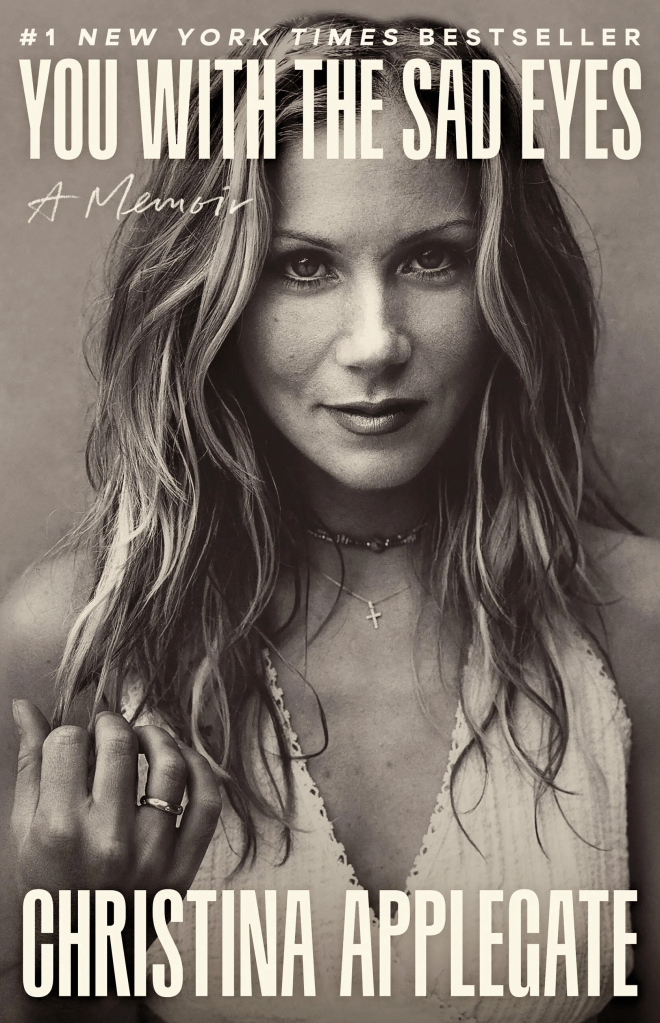
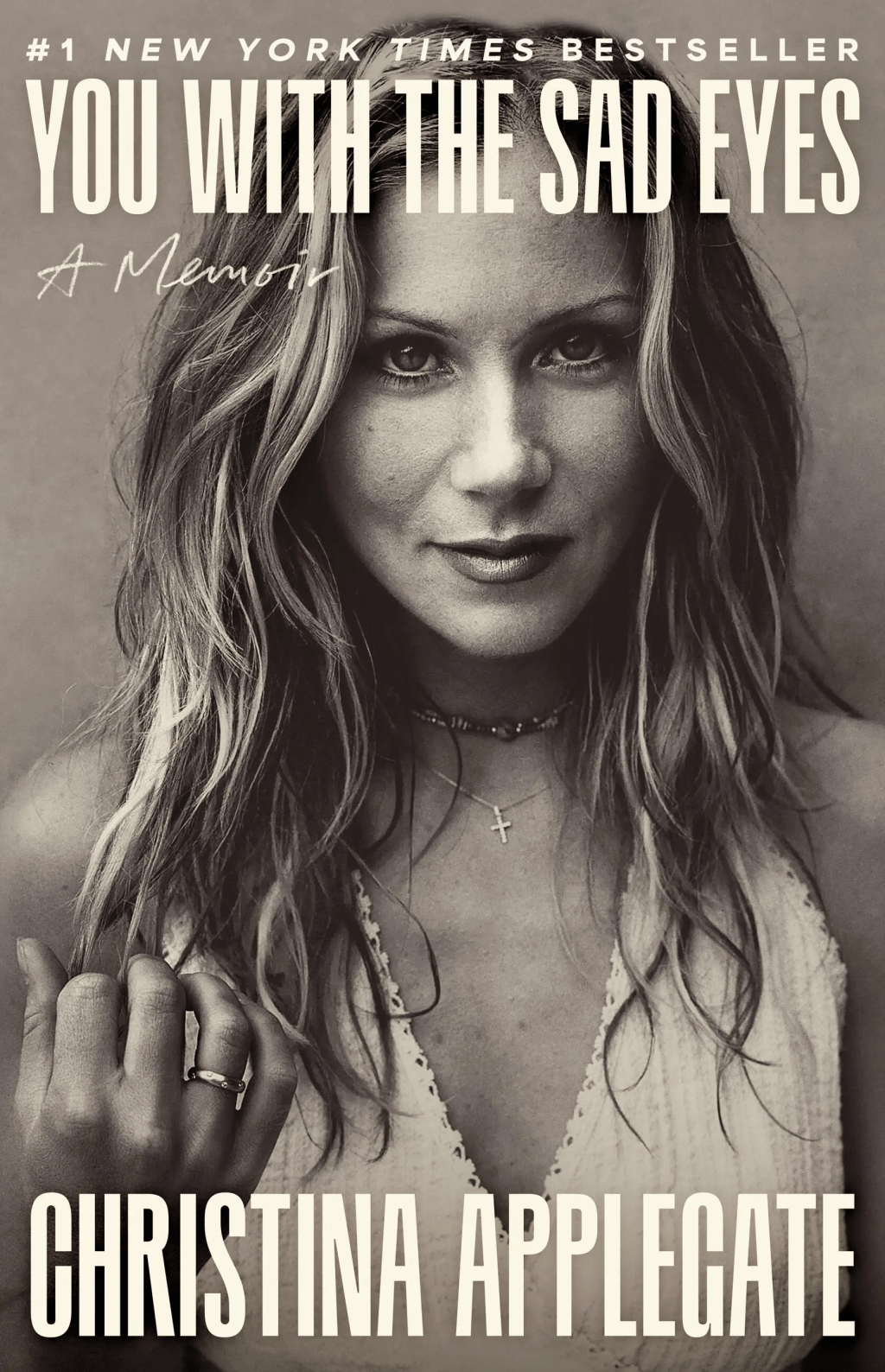
Christina sings us the somber first verse of “true colors” sharing the darkness she went through, and the reason for her sad eyes, how she was made to feel small by abuse. And more abuse. And more abuse. It gets dark. Very dark.
And the way it is written is intimate, as if she’s talking directly to you. She shares passages from her diary from her younger years. So it’s from that younger mind; she doesn’t edit the emotions of her younger self with the experience she sits with today. No brita filter, just tapped from the source and poured over us.
I listened to her narrate the book on audio and if you plan on reading this (and you should!), the audio is the way to go. She doesn’t just read it, she tells you her stories as if we’re old friends and it feels like she’s reminiscing, not reading from her book. She laughs when it’s funny, her voice breaks and she cries when it’s sad and she has a particular way of delivering a sentence that sticks it to your memory. But this is not a new talent, because being memorable is something she’s always been.
“Christina Applegate” was and always will be, to us millennials, that super cool gen x big sister that we idolize and want to be like. She exudes cool without even trying.
She’s “Kelly Bundy” for crying out loud. Even though she tells us she’s had insecurities her whole life, she’s still self assured. She told Harvey Weinstein off for being gross at a time where people would let him get away with anything. A timid people pleaser wouldn’t do that.
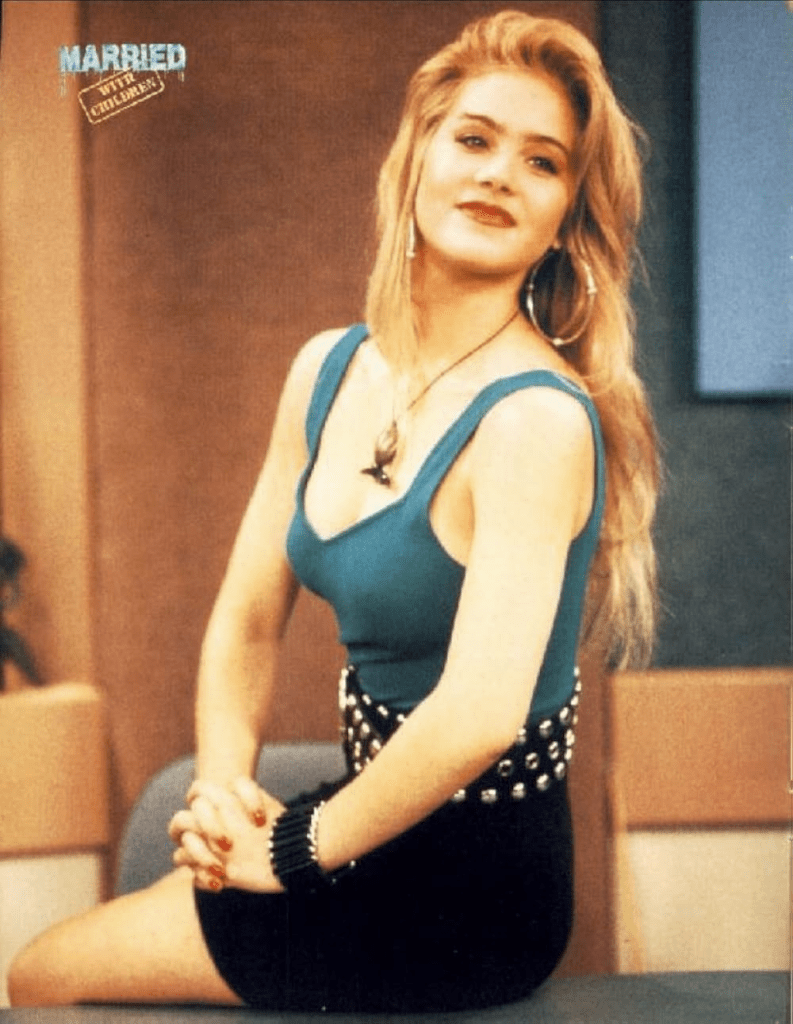
She’s Sue Ellen who takes charge and manages to get a career at 17 when the babysitter dies. She’s Samantha Who? Rachel’s older sister. Debbie Griswold. And an array of characters (did you know she’s an original pussycat doll?) right up until the last one, Jen Harding, in Dead to me.
She’s entertained us for over 50 years, from the year she was born until now, even the last season of Dead to me was shot through being diagnosed and living with some of the worst symptoms MS has to offer.
This disease, she shares, could be traced to the dark days of her younger years.
She shares a Norwegian study done on 80,000 women, published in the Journal of Neurology, Neurosurgery & psychiatry that three kinds of abuse of children were possible factors in a subsequent diagnosis of the disease: sexual, emotional and physical. And she had experienced all three.
While her acting accolades are definitely impressive, the most interesting aspect of her book, to me, was the human side of it. Her relationship with her mother and her grandmother. The generational trauma she traces down the line. Her open mindedness to understand and explore trauma and forgive her dad for abandoning her and letting him back in at a turning point in her life. And what she passes on to her daughter. She may have been a “bad mom” (reference to the movie, not in life) – but she sounds like a very fun and loving mother. And she reminds us that our tribe is the most important thing we have in this life.
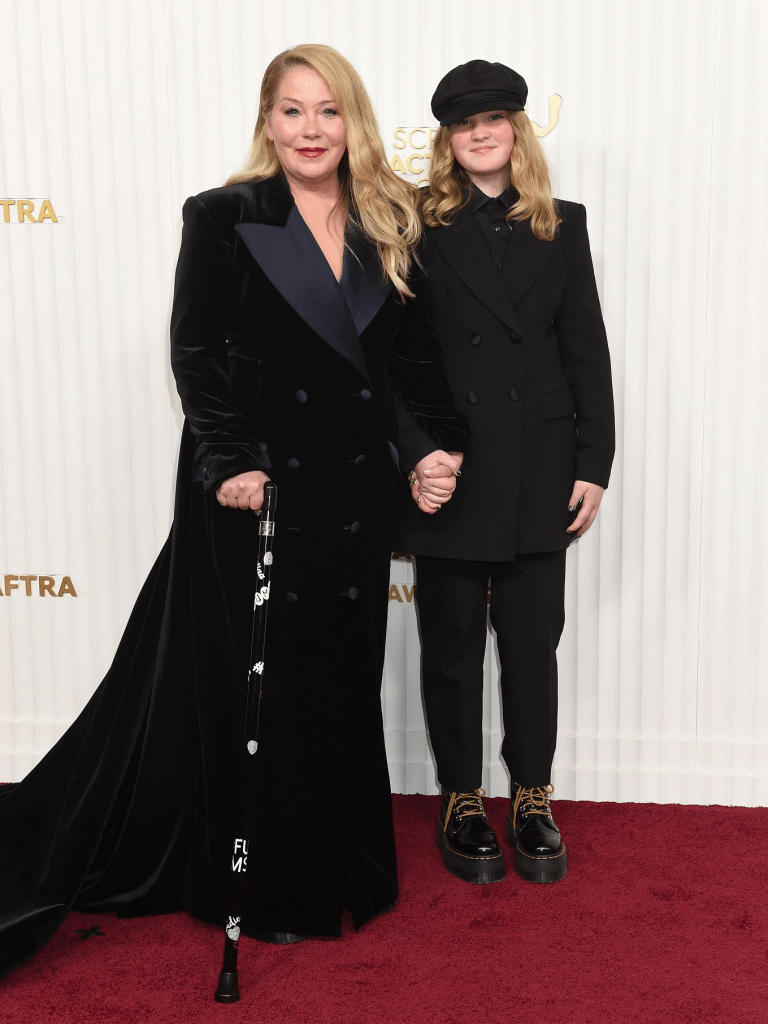
So while her eyes might be sad, her gaze is full of courage. All we can do is chime in with the chorus, we see your true colors and that’s why we love you, you’re beautiful like the rainbow.
Addendum: For the fans who want to go even deeper, her book contains pictures and pages from her diary that you don’t get in the audiobook, of course. But I still recommend listening to it. It’s such an intimate experience.