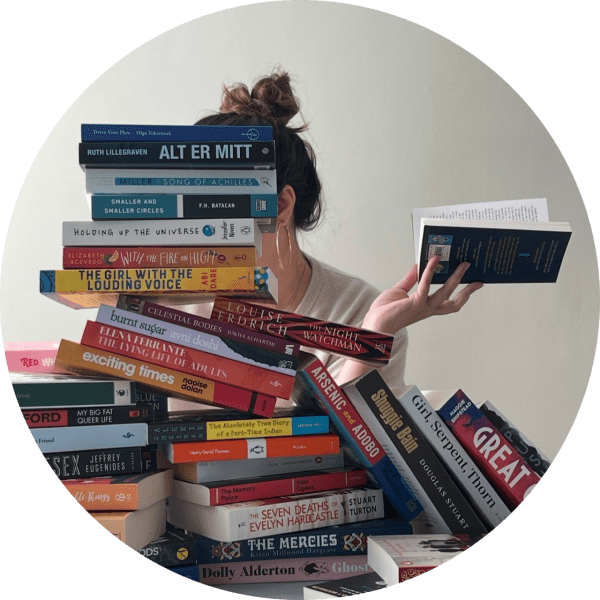

Called the most globalist longlist to date, with books set in countries from Malasia to Venezuela. They also span in size from a brief 152 pages to a thick 688 pages. These are the nominees:





Following are the reviews in the order I read them:
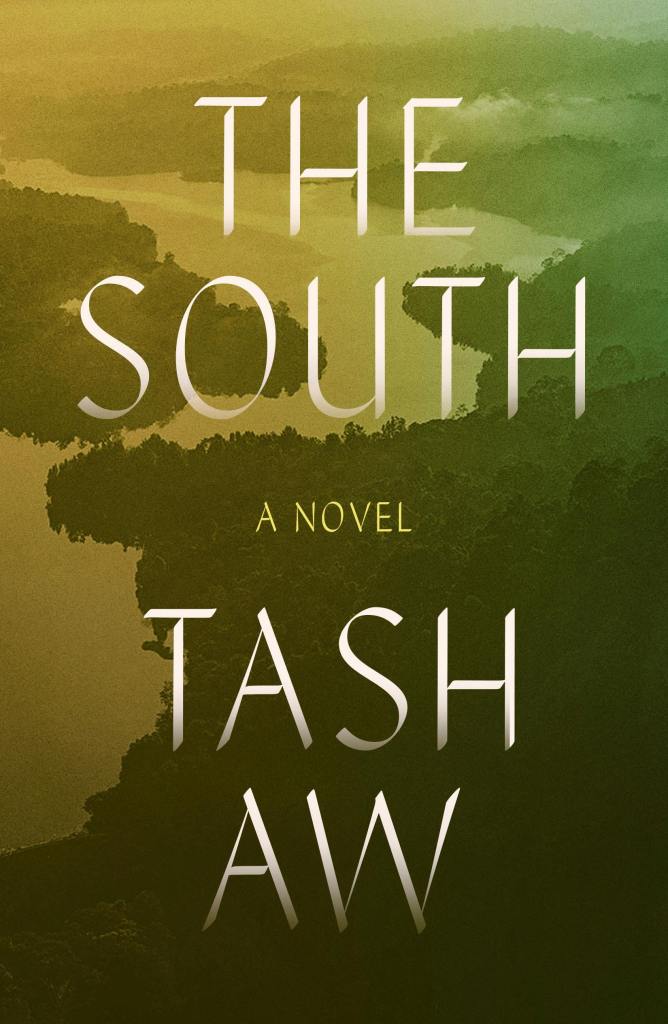
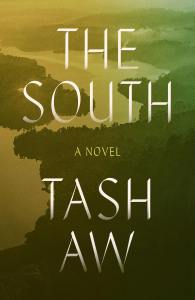
The South by Tash Aw
“I want to be with you, he says. Forever. Jay nods. In that moment, forever seems like a comforting notion. But at that age, what does either of them really know about time.”
This book felt like a fever dream to me. We’re introduced to the story in a climax that never returns. Like a juxtaposition to the rest of the story that’s simply longing.
It’s not the only time the author does this, since he also set the story to the holidays when they travel south to visit a farm left to his family after the death of his grandfather. He keeps switching the point of view back to school and everyday life.
I got a little confused around the lookbacks because there’s no clear chapter break or description around it. It simply flows into the holiday, almost as if disrupting the peaceful existence at the farm.
I found out after that this is a quartet, so the story continues after this. Excited to see where the author will take it, but I enjoyed the mood that was set more than anything – along with the little cultural quirks. ⭐⭐⭐
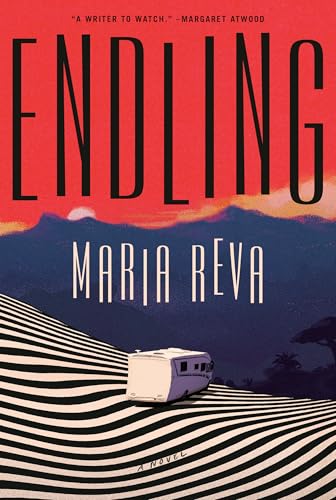
Endling by Maria Reva
When I first read about the book I wanted to read it because it was an intriguing historical fiction about a journey happening at the exact time of Russia invading Ukraine.
I almost want to compare this to a gymnastics beam event. The performer takes waaaay too long explaining the intricacies of her performance, the nuts and bolts of it all (50 pages on snails, 50 on mail order brides) before she even begins.
When she finally starts performing she spends the entire performance wobbling, camera pans to nervous trainers and terrified but cheering parents as she throws herself into one event after another before leaping of the beam and then sticking the most solid perfect landing ever seen.
That is to say – I was excited to read this, a bit bored coming into it, nervous about the directions it took, but gave it a standing ovation on the last 4 pages.
I cannot describe it in any other way. Was it good? I am too perplexed to tell you.⭐⭐⭐⭐
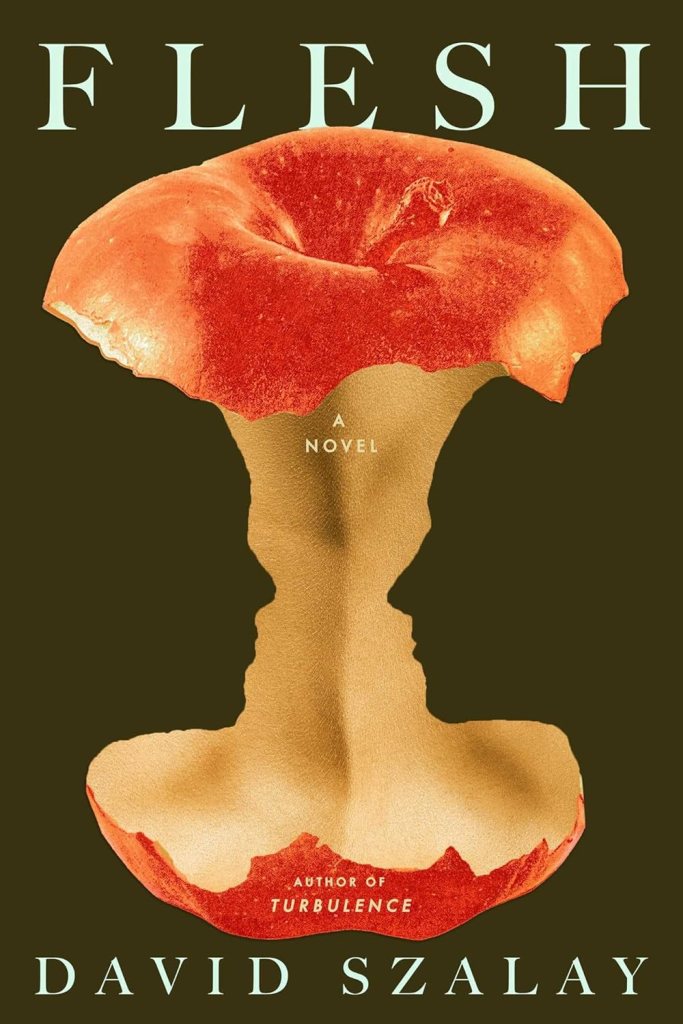
Flesh By David Szalay
We follow the life of István, a Hungarian boy as he turns into a man through the rides of his life. But he feels like a passenger, not in complete control of his own destiny as he simply goes along with everything offered to him. It’s somewhat sad and at the same time infuriating to follow such an apathetic person. While he feels dependable, he doesn’t seem to have any opinions or preferences and dialogue is simply him being asked questions and him saying «okay».
Which sadly, leads István down some wrong roads. Upon reaching dead ends, the author makes jumps and leaps in time and place that end up dividing István’s life into 10 convenient “chapters”.
And towards the end of the book we’re left with this feeling that he’s lived quite the life, and he has a great “story”.
It made me really think about today’s language like “do it for the plot”, that I’ve found myself say in more than one occasion and how we view our lives as they are told. The things we put emphasis on and the things we leave out.
The only problem with István is that he doesn’t really “do” anything, things just seem to happen to him.
And then the book takes a turn, just as I’ve written him off, I realize why I liked him. He’s dependable, even if he doesn’t really have any opinions. You can count on him playing the part he was given.⭐⭐⭐⭐⭐
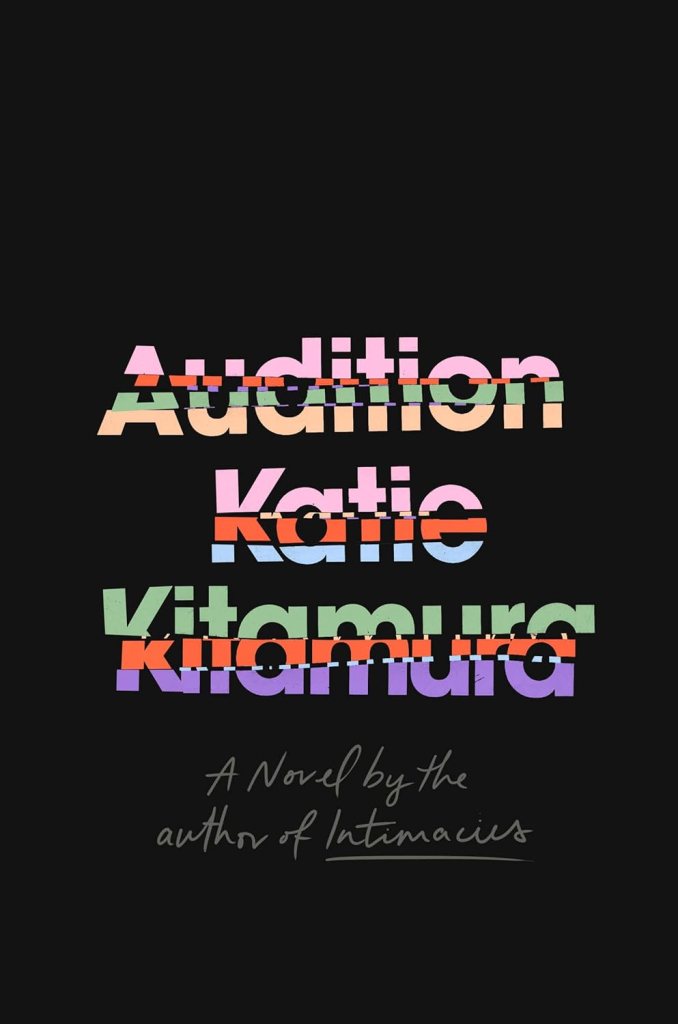
Audition by Katie Kitamura
I didn’t understand this at all.⭐
I should probably elaborate on something, but I don’t even know where to begin. This esoteric piece fell outside my borders of understanding.

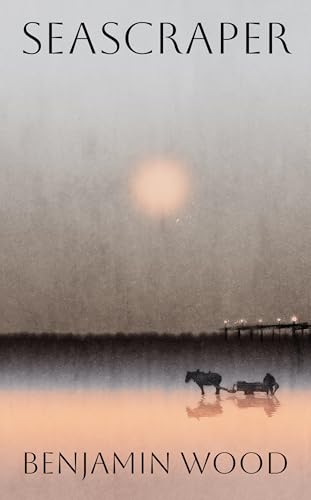
Seascraper by Benjamin Wood
“𝙄𝙩 𝙙𝙤𝙚𝙨𝙣’𝙩 𝙢𝙖𝙩𝙩𝙚𝙧 𝙩𝙤 𝙩𝙝𝙚 𝙨𝙚𝙖 𝙬𝙝𝙤 𝙫𝙞𝙨𝙞𝙩𝙨 𝙞𝙩, 𝙤𝙧 𝙩𝙤 𝙩𝙝𝙚 𝙨𝙝𝙧𝙞𝙢𝙥 𝙬𝙝𝙤 𝙨𝙘𝙧𝙖𝙥𝙚𝙨 𝙩𝙝𝙚𝙢 𝙛𝙧𝙤𝙢 𝙩𝙝𝙚 𝙨𝙖𝙣𝙙. 𝘼 𝙨𝙤𝙣𝙜, 𝙩𝙝𝙤𝙪𝙜𝙝 – 𝙬𝙚𝙡𝙡, 𝙖 𝙨𝙤𝙣𝙜 𝙗𝙚𝙡𝙤𝙣𝙜𝙨 𝙩𝙤 𝙨𝙤𝙢𝙚𝙤𝙣𝙚.”
Thomas is a shrimp shanker in a quiet and contained life in 60’s England. His father is dead so he’s supporting his disabled mother and they’re barely scraping by, until a big Hollywood producer comes into town and shakes things up a bit.
I’m a little ashamed to admit this, but there was a little language barrier here for me in the beginning. Luckily it got easier after the first 30 pages.
I loved the juxtaposition of Hollywood and this small English town. A life that cherishes the small things meeting a life that constantly reaches for bigger and better.
I wasn’t as enthralled as many others were, but I liked how the ambiance was captured and the mention of cultural significant signs of the times. And while they were polar opposites, I felt that they both had valid points and observations on life.⭐⭐⭐⭐
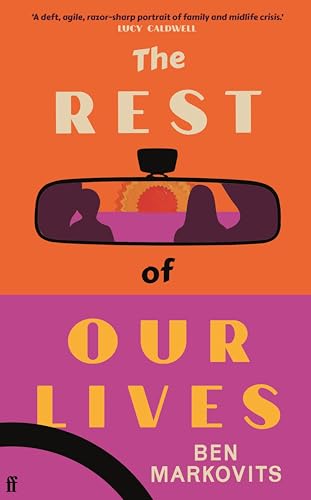
The rest of our lives by Ben Markovits
Angry middle aged man goes on a road trip!
I kind of love the cover, I thought it was so fitting how he’s viewing his family in the rear view mirror after reading the blurb.
After Tom drops off his daughter at college he takes off driving without a destination. He makes stops here and there, talking with different people about the past, and discussing the state of the world. Playing pick up basketball and documenting it for a book project (if he even decides to finish it).
To be honest, I found this very jumbled and confusing at first, later I just found it slightly annoying. The conversations he’s having along the way are often controversial, but he’s not fully engaging in them, he only triggers them and then he just sits back and observes. For example I hate that he doesn’t challenge or object to racist remarks. Is it because he agrees or does he not have an opinion?
What it seems like to me is that he has decision paralysis and has had that his whole life. He never knew which career to choose or which life to live. His wife has an affair and he doesn’t decide on whether he should leave her or not, he just sort of lives with one foot out the door.
He’s feeling unwell but he also doesn’t do anything about it, just waits for it to pass.
In the end, the cover is the best part, and it fits in a different way than I first assumed. Because he keeps looking in the rear view, and I think he’s more comfortable with looking back at the past and staying there than towards any uncertain future.⭐⭐⭐

Love forms by Claire Adam
This book told me a lot, but showed me absolutely nothing.
“In modern times, modern countries, girls have a lot of options. But in Trinidad in 1980, as a white girl from a well-known, well-respected Catholic family, I had none.”
This was excruciating to read. Constant repetition on her skin color, her wealth and boasting of one thing or another. But then trying to cling to this long lost daughter she gave up when she was 16. Imagining the girls’ entire life out of pictures in magazines. Did I miss something? Are trinidadian children abandoned in Venezuela usually offered a wonderful and exciting life?
She talks about wondering if her 42 year old daughter is successful and hanging out in cool bars in New York with her friends. My only curiosity would be to see where the kid actually ended up.
But the first page had me sceptic when she states (and a paraphrase) that her “room had posters of boy bands popular at that time”. Seriously? Set the scene! Tell me which boybands!!!
But the narrator has conveniently forgotten all the details and just gives us the broad strokes.
I can’t. I told myself I would make it through every longlist book, but my streak ends here. It was that boring. All tell, absolutely no show.⭐(NFN – not for now)

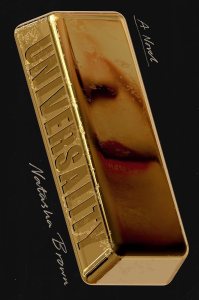
Universality by Natasha Brown
Excuse me while I get my dictionary.
The first part had me hooked, it felt like it was going to be sooo good. And then I don’t know what happened. And with that, I mean that I truly didn’t understand what the rest was. There are some big ideas here but they felt intangible to me.
I want to compare it to the blurb that says it’s an x-ray of the world – and while it very well might be, I don’t know because I’m not the equivalent to a radiologist who is trained to interpret this.
It’s weird because I enjoyed the writing (bonus: learned a lot of new vocabulary) but I couldn’t for the life of me tell you exactly what the book is about.⭐⭐⭐

One Boat by Jonathan Buckley
The prose and the author’s way of writing is so chewy to me that I grew tired before I felt full. I’m going to give one example that tripped me up so much that I had to read it several times and in the end it still made no sense to me:
“For all my mother’s instance that by definition there was an explanation for everything that existed, a cause for every effect, my mind, the brain with which I had been born, the brain in which I had arisen, thought otherwise: chasing the connections from cause to cause, I could never arrive at an end point other than the unthinkable, the ultimate cause, the cause that was the cause of itself.”
That is one sentence. And I’ve lost all threads I was clinging to trying to understand this novel.
Because it is about a woman revisiting a place in Greece, she mixes reminiscing with present and introspective thoughts. To be fair, I’ve done this myself – visited a place I have before and tried to remember every detail of what once was. But ultimately, I don’t find it particularly interesting.
“I sat where I had sat on that very first night, arriving at the same hour. The sun was already behind the island; the colours on the water were darkening – they would have been beautiful, but I made no note of them.”
I will give the author this – at times the prose was so spot on, I absolutely adored it. But it was sentence by sentence basis, and not as a whole.
“I was immersed in the life of the town, a life to which I had only the most limited access.”
I’m going to abandon this for now, and pick it back up if it makes the short list. I’m just struggling with it too much to enjoy myself.⭐⭐(NFN – not for now)

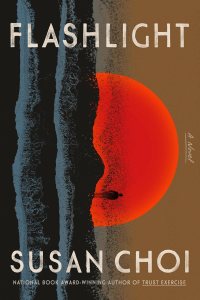
Flashlight by Susan Choi
Probably one of my most anticipated reads, and therefore the one that disappointed me the most.
This book did not hold my attention at all so I had to drag myself yawning through it.
I felt like it was sold to be somewhat of a mystery, but there was absolutely no suspense or tension at all pushing this forward.
But then again some scenes were so good (the psychologist scene with the flashlight) I sped right through them. But the fun parts were few and far between.
⭐⭐

Misinterpretation by Ledia Xhoga
An Albanian interpreter in New York entangles herself in her clients lives and the tension becomes palpable. But is it really this heavy or is she just misinterpreting?
I questioned the whole way through whether or not she was sane, because I never really understood the motivation behind the things that were happening. (You know – like that one friend that always says «he’s like obsessed with me» about every guy she meets, when in reality, nobody’s really that into her.)
Scenes and emotions felt forced. From the short first scene of her accompanying her client to the dentist, nothing really happens but apparently they form a deep connection (?) and he suddenly trusts her – something he doesn’t do lightly.
Her husband throws a wild and aggressive fit because she invited two guests over for dinner (?)
What the book has going for it is that it’s an easy read. And some very good reflections around emigrating, but the ending was so unsatisfying that I felt completely empty and wondered if I had misinterpreted something. ⭐⭐⭐

The land in winter by Andrew Miller
It was interesting seeing the references of a book set in the 60’s using many of the same references of today, but having different meanings. Stormtrooper, E-type, Omar Sharif. At one point farmer Bill talks about reading Animal Farm to see what Orwell knew about farming and I swear I just saw this joke on TikTok.
This boomer generation stood at the cusp of large changes that we knew they were headed for. They were smoking and drinking while pregnant, blissfully unaware of the dangers.
One of the fathers even suggest taking a post that would leave him absent for the first year of his child’s life, stating that “a father played no important part in the first year of life.” This is the polar opposite of the equality we’re aspiring to in today’s society, which makes it a nice reminder and a guidepost of how far we’ve come.
My least favorite was trying to figure out who’s narrating the chapters, because there are shifting viewpoints. I felt I was constantly searching for markers to show me who we were following. At first this was a little charming, getting to know them, towards the end I was tired of it. The party in the middle was definitely the highlight!
⭐⭐⭐
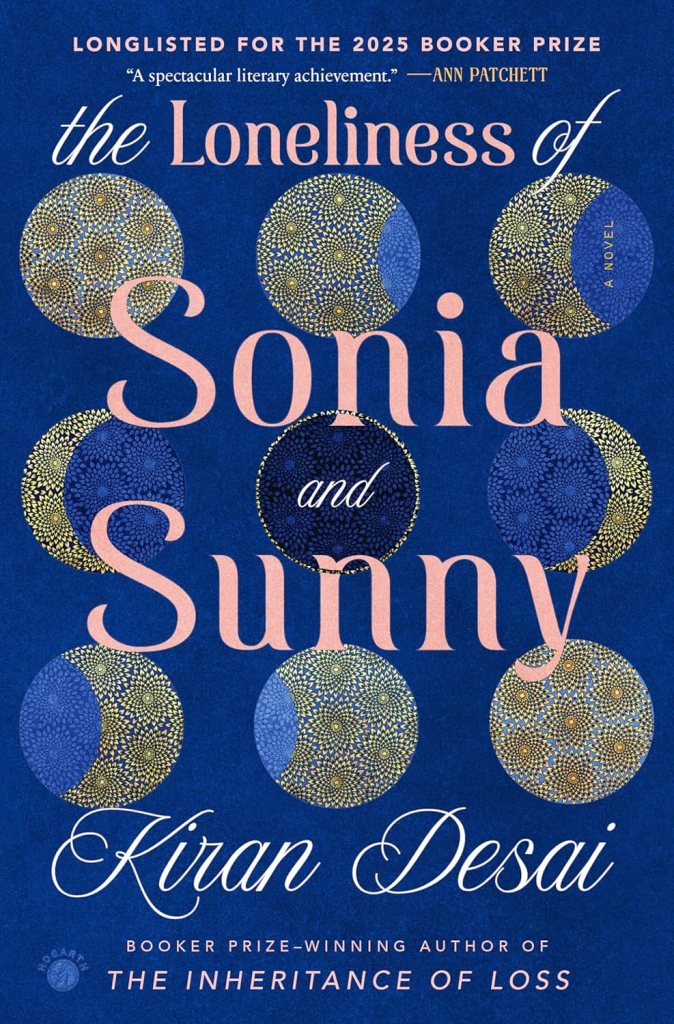
The loneliness of Sonia and Sunny by Kiran Desai
A genre bending family saga that is also a romance, historical fiction, thriller, and magical realism.
This is a long one, coming in at 688 pages, one of the things that make this book so long is that we follow more than just the central relationship between Sonia and Sunny, we also follow their extended family and friends.
Desai writes with authority and constructs her characters so well that they come alive. Every longing, every satiation feels real, but like life, it can get overwhelming. It piles on depression with racism, the caste system, trauma, hallucinations, love, disappointment and world events that paralyzed us all collectively. And while life is all of these things, a novel trying to do it all becomes unfocused.
I couldn’t tell you what the book is really about because it tried to do too much. And while I loved the first 3-400 pages, it got heavy and difficult to get through towards the end. But my takeaway is that Desai is a phenomenal writer, and I would love to read more.
⭐⭐⭐⭐
Shortlist predictions:
I’m basing this on what I enjoyed the most, so it’s likely not such much predictions as it is preferences. So these are the 6 books I enjoyed the most and that I hope to see on the shortlist:

Any of these on your preferred shortlist?

 Marie III